

How To Bring Natural Light Into A Non-detached House
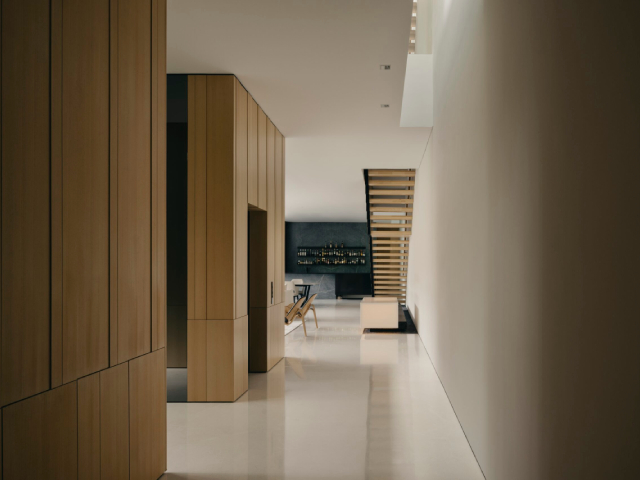
Natural light has a way of transforming a home. It makes spaces feel larger, lifts your mood, and reduces the need for artificial lighting during the day. For many homeowners in Singapore, especially those living in terrace houses or semi-detached homes, bringing in more daylight can feel like a challenge. Limited frontage, neighbouring walls, and tight layouts often restrict how much sunlight enters the home.
Still, with thoughtful architectural design, natural lighting can be significantly improved within the house.
Start with Your Layout
The first step is to understand how light moves through your home. Many non-detached houses in Singapore have long, narrow layouts where light struggles to reach the centre.
Opening up internal spaces is a key design consideration. Removing unnecessary partitions between the living, dining, and kitchen areas allows light to travel deeper into the home. Even partial openings, such as glass dividers instead of solid walls, can make a noticeable difference.
Homeowners who work with experienced architecture firms in Singapore often find that small layout adjustments can significantly improve daylight flow without compromising privacy or functionality.
Use Light Wells and Airwells
Light wells are one of the most effective ways to bring sunlight into the middle of a house. These are vertical openings, often positioned between rooms, that allow natural light to filter down from above.
Airwells are already a common feature in some homes for ventilation. With thoughtful design, they can double as light sources. Adding reflective surfaces or light-coloured finishes within the well helps maximise brightness.
This approach supports the idea of balancing nature and architecture, allowing daylight and airflow to work together naturally within the home.
Install Skylights Where Possible
Skylights are a direct way to introduce natural light from above. They work especially well in staircases, bathrooms, or corridors that typically lack windows.
Modern skylights can be specified with tinted glass or UV filters, which help reduce heat while still allowing light to pass through. This is important in Singapore’s climate, where heat gain can be a concern.
Where added comfort is needed, ventilated skylights can be designed to open and release warm air.
Choose Glass Over Solid Materials
Designing with glass in place of solid doors or walls allows light to travel more freely through the home.
For example:
• Glass doors instead of solid doors between rooms
• Glass infilled screen walls
• Frosted glass for bathrooms or private areas
These options maintain privacy while still allowing light to pass through. Frosted or textured glass is particularly useful in compact homes where every bit of light counts.
Reflect Light with the Right Finishes
Sometimes, the issue is not the lack of light but how it is absorbed within the space. Dark colours and heavy materials can make rooms feel dim even when natural light is present.
Simple changes can help reflect and amplify light:
• Use light-coloured walls & ceilings
• Choose reflective finishes for certain surfaces
• Opt for lighter flooring materials where possible
Rethink Window Design
Window design plays a significant role in how much light a home receives. Larger windows, corner windows, or even full-height glass panels can dramatically improve natural lighting.
For non-detached houses with limited side openings, consider:
• Enlarge window openings along main indoor spaces
• Using slim window frames to maximise glass area
• Installing louvred windows for better airflow and light control
Be mindful of privacy, especially in closely spaced neighbourhoods. Window films or smart blinds can help manage visibility without blocking daylight.
Bring the Outdoors In
Connecting indoor and outdoor spaces through design is another effective way to enhance natural light. Courtyards, small gardens, or even planter boxes near windows can enhance the perception of light.
Greenery reflects light softly and creates a more inviting atmosphere. Even a small indoor garden near a light source can make the space feel brighter and more open.
Keep It Practical for Daily Living
While it is tempting to maximise every inch of light, comfort should always come first. Too much direct sunlight can lead to glare or heat buildup.
Balance is key:
• Create indirect sunlight with creative design
• Screen design to filter off harsh sunlight
• Use sheer curtains or blinds
A well-lit home should feel comfortable throughout the day, not just bright.
Conclusion
Bringing natural light into a non-detached house is possible with thoughtful design choices, even small adjustments can make a noticeable difference in how your home feels and functions.
If you are planning to rebuild your existing house, working with professionals who understand space, climate, and design can help you achieve the right balance. Reach out to AR43 to explore practical, well-designed solutions that bring more light into your home while keeping it comfortable and liveable.