
Designing for Life: Homes That Evolve With Their Owners
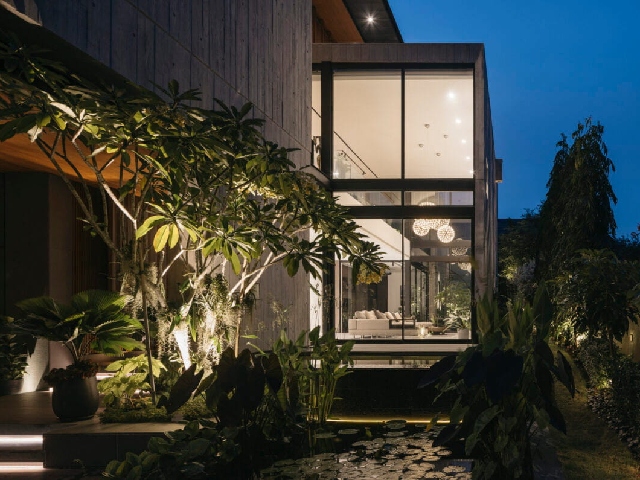
Homes are more than a roof over our heads; they are living, breathing spaces that reflect our identities, adapt to our routines and provide comfort through life’s many stages. As lifestyles change, so too must the spaces we inhabit. The concept of designing for life is rooted in adaptability, longevity and emotional connection, creating homes that evolve with their owners rather than becoming obsolete with changing needs.
Whether you’re working with a landed house architect in Singapore or planning your own renovation, embracing a design philosophy that anticipates future needs is essential for creating enduring spaces.
This article explores how thoughtful design can transform a house into a home that grows and adapts alongside you.
Understanding Future Needs
When envisioning a long-term home, it’s important to think beyond the immediate. Families expand, careers shift and hobbies evolve. There will be phases when a quiet reading nook becomes a home office, and later perhaps a children’s playroom or a guest bedroom.
Designing with foresight requires asking questions: What aspects of life might change in five, ten or twenty years? Will mobility ever become an issue? How might work-from-home needs evolve? Answering these questions early helps shape spaces that remain functional and relevant over time.
A key part of this foresight lies in flexibility. Adaptable room layouts, multifunctional furniture and infrastructure that supports future modifications allow a home to transition smoothly between life stages without costly or disruptive renovations, reinforcing the value of timeless design throughout the home’s lifespan.
Flexibility Through Design
Flexibility isn’t a nebulous concept – it can be achieved through tangible design strategies. Open-plan areas, for example, offer versatility for a variety of uses: family gatherings, entertaining friends, or accommodating a growing household. But open spaces alone aren’t enough; movable partitions, sliding doors and modular storage systems give occupants control over how a space functions at any given time.
In bedrooms, consider spaces that can shift from child’s room to teenage retreat to adult guest suite. Built-in storage that adapts to changing wardrobe needs and thoughtful lighting schemes can dramatically alter a room’s mood and usability.
Even external spaces like gardens and patios benefit from flexible design. These areas might start as a children’s play lawn, transition into a vegetable garden or outdoor cooking space, and later become a peaceful retreat as priorities change.
Practical Adaptability: From Interior to Exterior
Adaptable design isn’t limited to interior layouts. Outdoor areas should be envisaged as extensions of living space. Covered verandas and well-planned landscaping can create seamless transitions between indoor comfort and outdoor enjoyment.
Consider installing hard-wired outdoor lighting and power points to support future additions like a heated pool, outdoor kitchen or home gym equipment. Similarly, raised garden beds and paths designed with accessibility in mind ensure that outdoor areas can be enjoyed at every stage of life.
Practical adaptability also involves planning for ageing in place. As the population grows older, homeowners are increasingly seeking solutions that allow them to remain in their homes comfortably and safely. Features such as wider doorways, step-free access, lever handles instead of knobs and bathrooms designed for wheelchair accessibility all contribute to a home that can serve its owners well into later life.
Embracing Technology and Sustainability
Homes designed for life also embrace technological advancement and sustainable practices. Smart home systems can be integrated to manage lighting, climate and security with ease. While technology evolves rapidly, choosing flexible, upgrade-friendly systems ensures that wiring and hubs don’t become redundant.
Sustainability is another key pillar of future-proof design. Energy-efficient windows, high-performance insulation and solar panels reduce long-term costs and environmental impact. Rainwater harvesting systems, greywater recycling and drought-tolerant landscaping can further enhance a home’s sustainability profile.
Selecting materials that age gracefully and require minimal maintenance is equally important. Natural stone, high-quality timber and durable composites not only add aesthetic appeal but ensure longevity, reducing the need for early replacements and repairs.
Personalisation Without Compromise
While adaptability is crucial, personalisation shouldn’t be sacrificed. A home should still feel like yours. The trick lies in balancing personal expression with flexible design principles.
Custom joinery, bespoke fixtures and curated colour palettes can all contribute to a strong personal identity within the home. These elements can coexist with adaptable design by ensuring that personalised features are not overly prescriptive or restrictive. For instance, a striking statement wall can be balanced with neutral, adaptable furniture that can be easily repositioned or refreshed.
It’s also beneficial to design “blank canvas” zones, such as areas with neutral finishes that can be customised with rugs, artwork or furniture as tastes change over time. This approach allows you to reinvent spaces without the need for major structural changes.
The Role of Professionals in Designing for Life
Partnering with experienced design professionals can make a world of difference when creating a home that evolves with you. Architects and interior designers bring expertise in anticipating future needs and integrating flexible solutions seamlessly.
A professional architecture design firm, for instance, understands local climate conditions, zoning regulations and cultural nuances that influence design decisions. Their insight can guide you in making choices that not only enhance long-term functionality but also respect the context of your property.
Working collaboratively with professionals encourages a holistic view of your home, one that considers spatial flow, natural light, ventilation, privacy and connectivity alongside adaptability. Early involvement of architects and designers ensures that future-proofing measures are integrated from the outset rather than tacked on later.
Real-World Examples of Homes That Grow
There are many inspiring examples of homes designed for life across the world. Consider a residence with a dedicated family hub that transitions into an adult lounge as children grow up, or a compact guest suite that doubles as a home office.
One innovative idea is incorporating “bonus rooms” with flexible infrastructure such as plumbing, electrical and HVAC systems that support multiple potential uses. Such spaces might begin life as a playroom, later transform into a music studio or, eventually, a granny flat for multi-generational living.
Another approach is designing split zones within a home; private, public and semi-public areas that can shift boundaries as needed. Sliding doors or foldable partitions enable spaces to be opened up or closed off, maintaining both openness and privacy.
Overcoming Common Challenges
Designing adaptable homes isn’t without challenges. Budget constraints, planning regulations and existing structural limitations can all influence decisions. However, even modest homes can benefit from thoughtful future-oriented design.
Start with a plan that identifies priority spaces like areas where flexibility matters most. Investing in quality materials and infrastructure where it counts (e.g. structural supports, utility access, adaptable fittings) can yield long-term value even if the entire home can’t be redesigned at once.
Communication with builders and planners is also crucial. Clear documentation of future-proofing intentions helps ensure that features like wiring for smart systems or reinforced floors for future mezzanines are correctly installed.
A Home That Grows With You
Creating a home that evolves with its owners is a journey. It requires imagination, planning and a willingness to embrace flexibility without compromising on comfort or beauty. Whether you’re building from scratch or rethinking an existing space, adopting design principles that prioritise adaptability can result in a home that remains relevant, joyful and functional throughout life’s many chapters.
Working with professionals attuned to these principles, whether a landed house architect or a specialised interior designer, can make this journey productive and fulfilling.
Conclusion: Your Home, Your Future
Designing for life means creating spaces that respond to change with grace. It’s about blending functionality with personal expression and ensuring that every corner of your home can adapt as your life evolves. Thoughtful planning today paves the way for a home that truly supports you through tomorrow’s adventures and challenges.
At AR43, we understand the importance of longevity, adaptability and meaningful design. If you’re ready to create a home that grows with you, explore our services and insights at AR43 to begin your journey towards a more flexible, vibrant living space.